
What Does Glucose in Urine Mean?
Published 1 year ago
🧪 What Is Glucose in Urine?
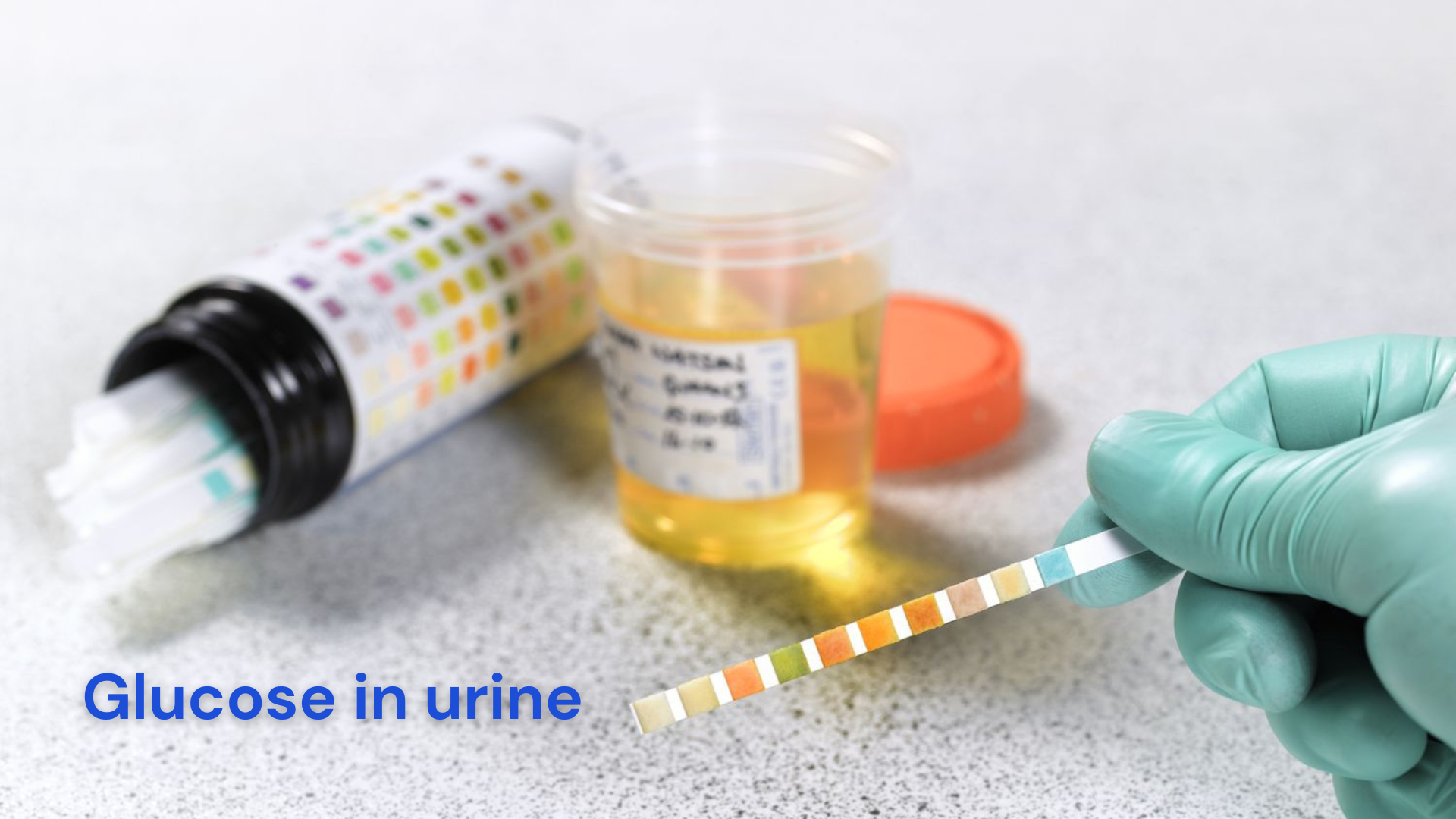
Glucose in urine, also known as glycosuria or glucosuria, means your urine contains sugar — which normally shouldn’t happen.
Your kidneys are designed to filter and reabsorb glucose back into your bloodstream. But when blood sugar levels get too high, the kidneys can’t keep up, and the excess sugar spills into your urine.
⚠️ What Causes It?
Here are the most common reasons glucose shows up in urine:
- Diabetes:
High blood sugar (especially in uncontrolled diabetes) overwhelms your kidneys' ability to reabsorb glucose. - Gestational
Diabetes:
This can occur during pregnancy and may be detected through routine urine tests. - Renal
Glucosuria:
A rare condition where the kidneys leak glucose into the urine even when blood sugar levels are normal. - Kidney
Damage:
If your kidneys are not working properly, they may fail to reabsorb glucose. - Certain
Medications:
Some drugs, like SGLT2 inhibitors used for diabetes, cause glucose to be excreted in urine as part of treatment. - Heavy
Carb Meals:
Eating a very large amount of carbs may cause temporary spikes in blood sugar that show up in urine.
🚨 Symptoms to Watch For:
- Frequent urination (especially at night)
- Excessive thirst
- Fatigue
- Blurred vision
- Unexplained weight loss
- Increased hunger
🧫 How Is It Diagnosed?
- Urine
Test:
A simple urinalysis can detect glucose levels in your urine. - Blood
Glucose Test:
This test confirms whether your blood sugar is high — helping diagnose diabetes or other conditions.
✅ What’s the Treatment?
The treatment depends on the cause:
- If
it’s diabetes:
Managing blood sugar with diet, exercise, and medication is key. - If
it’s renal glucosuria:
Typically no treatment is needed unless there are other issues. - If
it’s medication-related:
Your doctor may adjust or change your medication.
📝 Final Note
A small amount of glucose in urine can be normal after a heavy meal or during pregnancy — but it’s always wise to consult a doctor. Don’t ignore it, especially if you’re experiencing other symptoms.