
Why Is Laboratory Safety Important?
Published 1 year ago
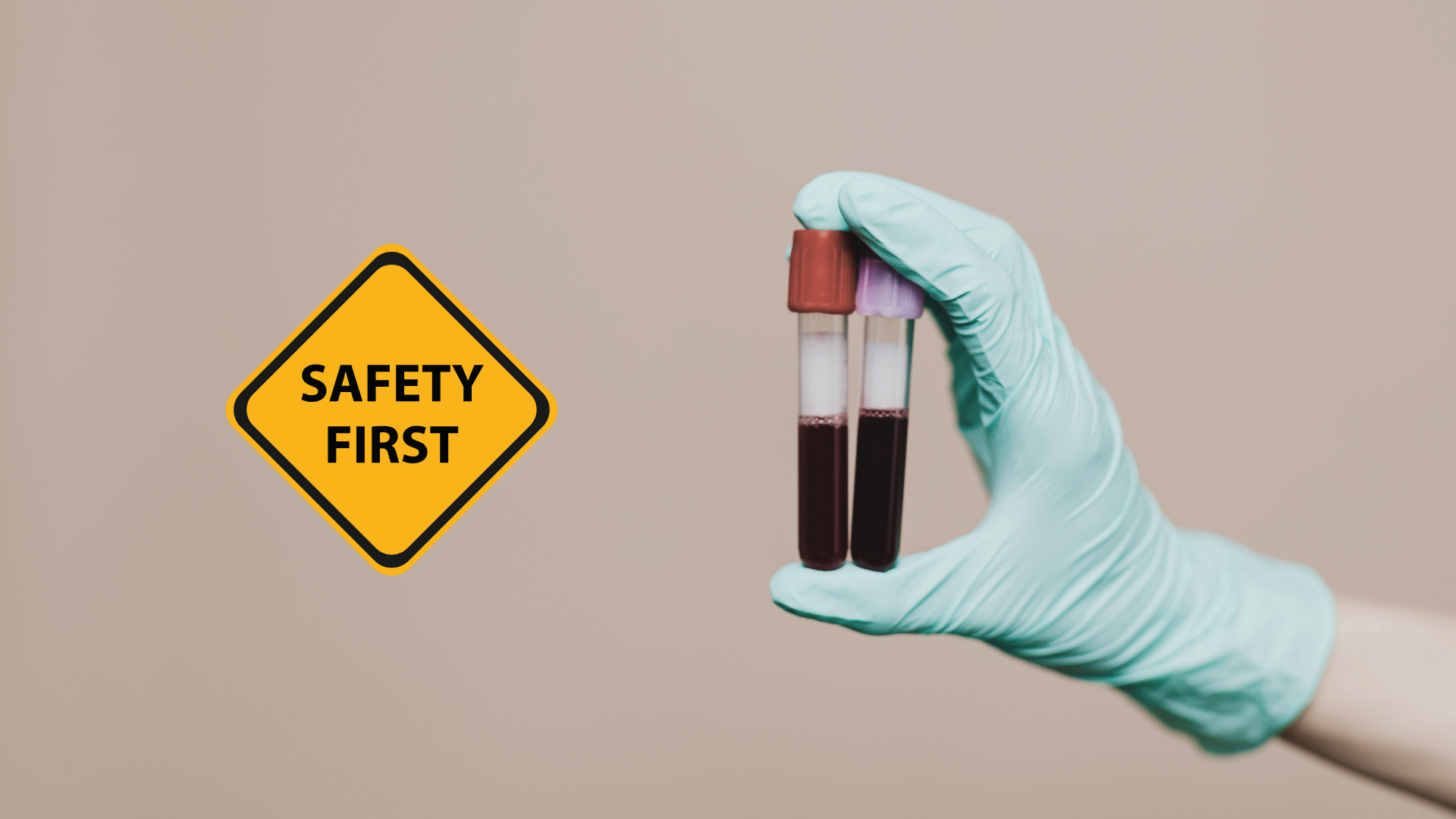
Whether you’re working in a pathology lab, a diagnostic center, or a research facility, lab safety is non-negotiable. Every day, medical professionals handle substances that can be harmful, toxic, or even life-threatening — not just to themselves, but to others around them.
Let’s break down why lab safety is so important and what precautions are a must.
⚠️ Two Major Hazards in Labs
1. Reagents & Chemicals
Labs use a variety of chemicals and reagents to process and test samples. Many of these are:
- Corrosive or toxic to the skin and eyes
- Carcinogenic, meaning they can cause cancer over long exposure
- Harmful through fumes and vapors that can affect breathing or long-term health
Even a small mistake — like spillage or inhalation — can lead to serious injuries or chronic illnesses.
2. Human Samples (Blood, Urine, etc.)
Medical labs handle human body samples daily. These samples can carry unknown foreign substances or dangerous viruses.
The most concerning blood-borne viruses include:
- HIV (Human Immunodeficiency Virus)
- HCV (Hepatitis C Virus)
- HBsAg (Hepatitis B Surface Antigen)
These infections are highly contagious and currently have no complete cure — making it essential to follow strict biosafety rules.
🧤 Mandatory Lab Safety Equipment
To protect themselves, lab professionals should always wear protective gear while on duty:
- Lab Apron/Coat – Protects skin and clothing from spills
- Face Mask – Prevents inhalation of fumes or biological aerosols
- Hair Cap – Especially for female professionals, keeps hair secure and clean
- Covered Shoes – Avoids exposure to harmful spills on the floor
- Gloves – Protects hands from contact with chemicals and infected samples
- Goggles – Shields eyes from splashes and irritants
🧠 Why Safety Protocols Matter
- Prevents accidental injuries or exposure
- Minimizes risk of cross-contamination
- Protects against infectious diseases
- Helps ensure accurate results without environmental interference
- Keeps both staff and patients safe
📚 Want to Learn Lab Safety in Depth?
Lab safety doesn’t end at gloves and aprons. It includes handling of biomedical waste, needle-stick injury protocols, spill kits, and more.
At Qualityveda, we offer detailed online training on Laboratory Safety Procedures designed for MLTs, pathologists, lab assistants, and students.
✅ Learn at your own pace
✅
Certificate included
✅
Aligned with NABL & ISO standards
👉 Visit www.qualityveda.co to explore our safety-related courses.